Tuesday, November 14, 2017

Pixel and Nexus 6P get Always-on Display without root
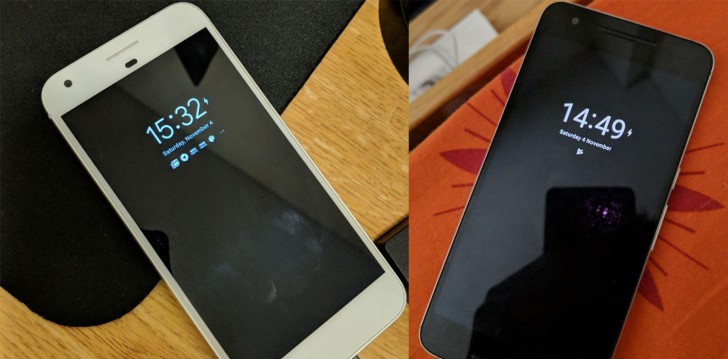
Pixel and Nexus 6P get Always-on Display without root


The and premiered Always-on display on pure Android, but the functionality didn't trickle down to the original and . Yet, it's now possible to enable Always-on display without root on the Android 8.1 Oreo developer preview on the Google Pixel, Pixel XL and even . The process is a bit technical and requires some time and studious following of instructions. You can find a full guide in the source link. The short version is this: you need to setup a theme manager app, buy a $1.99 plugin for it, install the Pixel Enabler app from the Play store and follow some instructions. If that doesn't sound like much proceed to the detailed instructions.

iPhones in 2019 to come with a 3D sensor on the back too

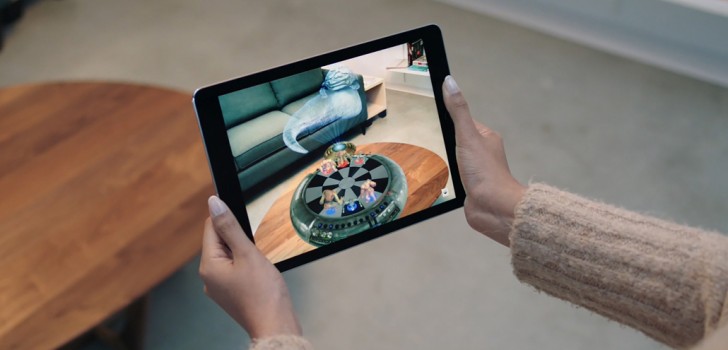
iPhones in 2019 to come with a 3D sensor on the back too


Apples TrueDepth selfie camera features a 3D sensor and starting from 2019 the rear camera might have a 3D sensor of its own. The company is allegedly talking to several component suppliers and evaluating its options. The rear 3D sensor will help enhance Apples ARKit as it will give true measurements of distance rather than the estimates provided by the camera setup. Presumably it will also be used to enhance Portrait mode, similar to the selfie camera. Unlike the front sensor which users the structured light approach of the rear sensor will use a time-of-flight camera. This is the tech used by the (the one that shipped with the Xbox One). Time-of-flight sensors are already used in phones like the Lenovo Phab2 Pro and Asus Zenfone AR. Google has been working with Infineon for Project Tango sensors, which is one of the companies that Apple has been talking to. is another, as well as Panasonic and STMicroelectronics.


Asia Optical develops 5x optical zoom lenses for smartphones

Asia Optical develops 5x optical zoom lenses for smartphones


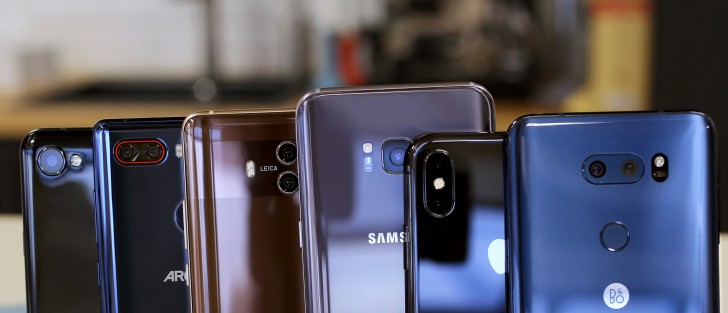
Asia Optical and Coreophotonics are developing a 5x optical zoom lens for use in smartphones. The certification process will start by the end of this year while shipments to manufacturers are expected to begin in Q3 2018. The lens will have aspherical glass lens piece and four plastic ones, said Robert Lai, Asia Optical chairman. The company has the capacity to build 12 million pieces per month due to 220 aspherical glass injection molding machines 160 based in Taiwan and another 60 in Myanmar. Asia Optical currently ships between 500-550K glass modules for the automotive industry. Coreophotonics, on the other hand, after its lawsuit against Apple for the usage of the dual-camera setup.


No price hike for the OnePlus 5T, leak alleges

No price hike for the OnePlus 5T, leak alleges


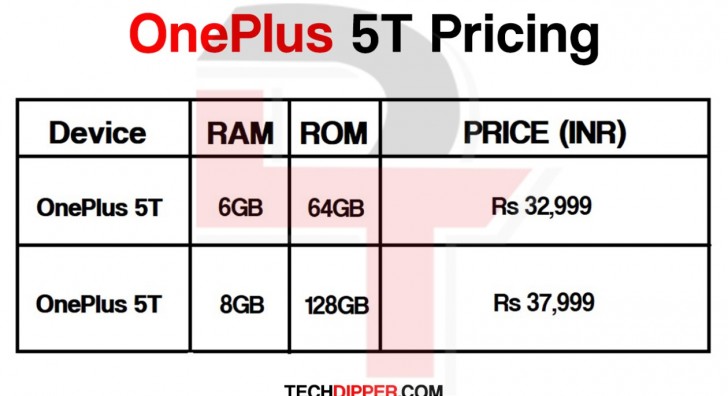
Sources from O2 suggested that the will as the phone it replaces. A second leak this time coming out of India confirms this as well. The 5T will be in India so this image likely comes from there. It lists both versions of the phone 6GB RAM, 64GB storage and 8GB RAM, 128GB storage and their prices. The base OnePlus 5T will cost INR 33,000 while the one with more memory will be INR 38,000. That perfectly matches the outgoing model (which is almost entirely out of stock now). CEO Pete Lau said that fans will and keeping the price competitive will certainly be appreciated.


Monday, November 13, 2017

Oreo reaches 0.3% of the Android market in latest distribution chart

Oreo reaches 0.3% of the Android market in latest distribution chart


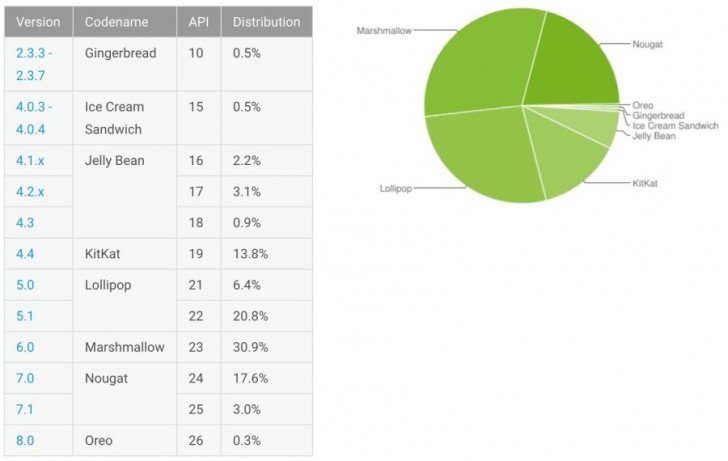
At this point, the slow growth in distribution numbers for the latest version of Android is nothing new the fact is, it's always been like this. It's still pretty funny to see Oreo at a whopping 0.3% of the market at the moment, growing from . When interpreting those numbers, remember that Google released Android 8.0 Oreo back in August but even so, it was nowhere to be seen in the chart in September. Anyway, this also goes to show how few Nexus, Pixel, and Sony devices are out in the wild, because up until now only (some of) those launched with or got updated to this iteration of the OS. Nougat on the other hand keeps growing steadily, reaching 20.6% of the pie this time around, up from 17.8% in October. Marshmallow is losing some traction but remains the most used version of Android right now, with 30.9% of the market. With 27.2%, Lollipop is still close by. KitKat is the oldest one that still nets double digits at 13.8%, while all the others combined merely reach 7.2%.


Apple to launch three new iPhone X-like devices next year

Apple to launch three new iPhone X-like devices next year


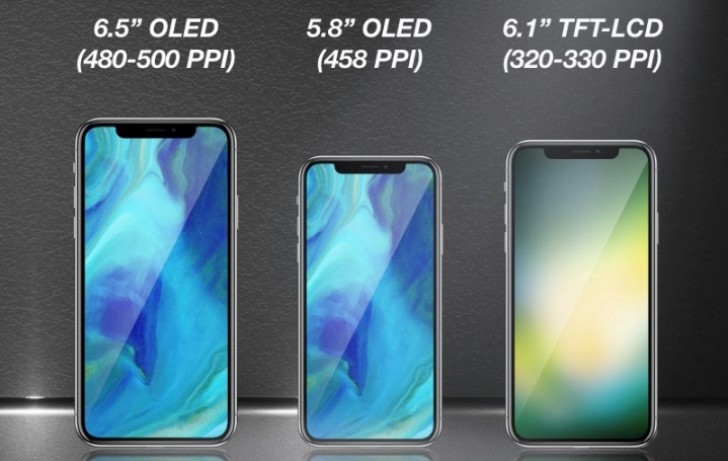
Now that even the last of Apple's 2017 iPhones is finally available, it's time for the rumors about the company's 2018 lineup to start. Ming-Chi Kuo of KGI Securities is leading the way as always, today releasing a report about the specific smartphones that he expects Apple to unveil next year. The first thing you'll notice about all of them is that they're keeping the design of the intact, bezel-less screen and controversial notch included. Thus, all the iPhones of 2018 will be similar in the looks department and similarly devoid of a fingerprint sensor. They will also all feature the TrueDepth camera system on the front. Kuo says the two models with OLED panels will basically have the same top of the line innards. The smaller of these will be the same size as the iPhone X basically, while the other adds an option for people who like bigger devices. The 6.5 behemoth will come with an even higher resolution than the X, aiming for up to 500 ppi pixel density. Sitting in between these size-wise, the 6.1 iPhone with an LCD screen will become Apple's entry-level smartphone, expected to be priced from $649-$749. Its display will be lower-res and thus have a smaller pixel density than its siblings. There are probably also going to be internal differences aimed at making this particular handset cheaper than the other two. The materials used could be cheaper too. While Kuo is usually pretty reliable, note that none of this information has been confirmed in any way at this point, so it may be advisable to take all of it with a decent dose of salt.


Google Assistant now broadcasts messages throughout your house on all speakers

Google Assistant now broadcasts messages throughout your house on all speakers


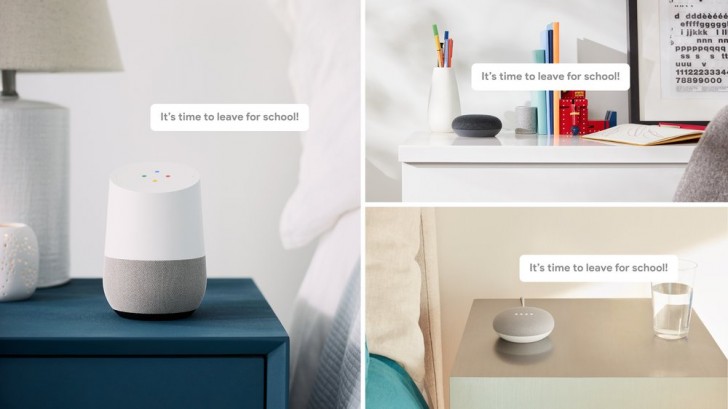
Starting today, Google Assistant just became even more useful than ever. From this point on, you can use it to broadcast messages throughout your house stuff like it's time for school or breakfast is ready, you get the gist. You can create such a broadcast message from any device with Assistant say your phone or a Google Home device. The message will be broadcast by all the Assistant-enabled speakers in your home. Simply say Ok Google, broadcast immediately followed by your message. There are special effects for some things if you say Ok Google, broadcast it's dinner time a dinner bell will ring on all your Google Homes. To make sure all of this works seamlessly make sure that you're signed into all your devices with the same Google account. The new feature starts rolling out today if you use English in the US, Australia, Canada, and the UK. Support for doing this in more languages is coming soon.